
Science
New Study Reveals Brain Maturity Extends to Age 32

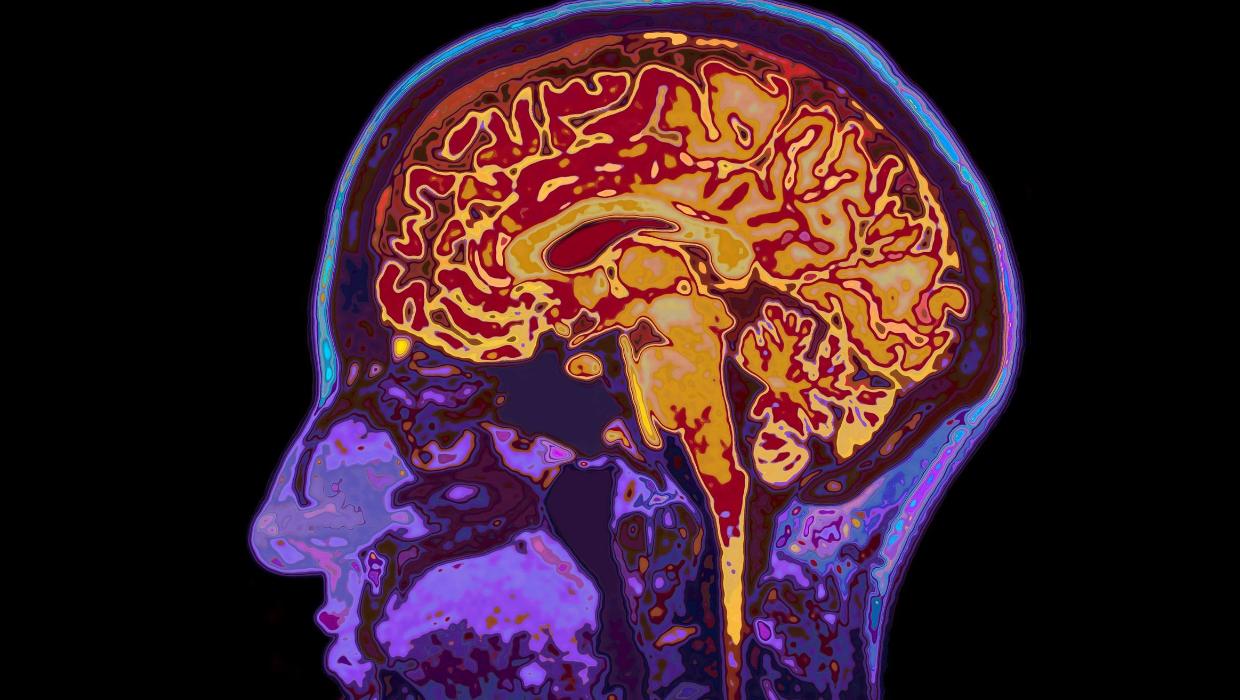
A groundbreaking study from the University of Cambridge has unveiled that brain development continues into a person’s early thirties, specifically until age 32. The research identifies five key stages of brain development, highlighting four significant transitional moments throughout life.
The study, published in March 2024, offers fresh insights into how the brain evolves over time. According to the research, the periods of maturity and ageing are now more clearly defined, suggesting that cognitive abilities may not fully stabilize until a person reaches their early thirties.
Five Stages of Brain Development
The findings categorize brain growth into five distinct epochs. Each stage marks a critical point in cognitive and emotional development. The first significant turning point occurs during early childhood, where foundational skills are developed.
The research indicates that the next transitions happen during adolescence, early adulthood, and then around age 66, when the brain begins to show signs of ageing. The implications of these findings are substantial, as they challenge previous assumptions about brain maturity and cognitive decline.
Dr. Anna Smith, the lead researcher at the University of Cambridge, stated, “Understanding these stages allows us to better grasp how our brains function at different ages. It has profound implications for education, mental health, and even policy-making.”
Implications for Education and Mental Health
The study emphasizes that recognizing the ongoing development of the brain can influence educational practices. Tailoring learning environments to accommodate cognitive growth can enhance educational outcomes for young adults.
Moreover, these findings carry weight for mental health strategies. With the brain maturing later than previously thought, mental health professionals may need to reconsider the age at which young adults are expected to manage complex emotional and cognitive challenges independently.
The research also proposes that understanding the onset of cognitive ageing can aid in developing interventions to maintain brain health.
The comprehensive analysis from the University of Cambridge represents a significant advancement in neuroscience. As society continues to evolve, this research provides a framework for understanding the intricate workings of the human brain across the lifespan.
With ongoing studies expected to build upon these findings, the world of neuroscience is poised for further revelations about how our brains develop, function, and age.

Long-Lost Rubens Painting Fetches €2.94 Million at Auction

Investigation Continues into Andrew Coster as Agency Progresses

Legendary Rugby Players to Clash in Anzac Day Classic Match

Get Financially Fit for 2026: Strategies to Tackle Debt

Swiss National Pleads Guilty in Fatal Canterbury Crash

One NZ Fined $1.1 Million for Breaching Emergency Call Standards

Challenge Your Mind: Solve Today’s Hard Word Puzzle in 60 Seconds

Lusail Circuit Engages F1 Leaders to Enhance Motorsport Collaboration

Long-Lost Rubens Painting Fetches €2.94 Million at Auction

Test Your Knowledge: Take the Herald’s Afternoon Quiz Today

PM Faces Backlash from Fans During Netball Trophy Ceremony

Dunedin Designers Win Top Award at Hokonui Fashion Event

Liam Lawson Launches New Era for Racing Bulls with Strong Start

Experience the Excitement of ‘Chief of War’ in Oʻahu

Coalition Forms to Preserve Māori Wards in Hawke’s Bay

Disney Fan Reveals Dress Code Tips for Park Visitors

Walking Faster Offers Major Health Benefits for Older Adults

Scots Rally with Humor and Music to Protest Trump’s Visit
-
 World4 months ago
Test Your Knowledge: Take the Herald’s Afternoon Quiz Today
-
 Sports4 months ago
PM Faces Backlash from Fans During Netball Trophy Ceremony
-
 Lifestyle4 months ago
Dunedin Designers Win Top Award at Hokonui Fashion Event
-
 Sports4 months ago
Liam Lawson Launches New Era for Racing Bulls with Strong Start
-
 Entertainment4 months ago
Experience the Excitement of ‘Chief of War’ in Oʻahu
-
 World4 months ago
Coalition Forms to Preserve Māori Wards in Hawke’s Bay
-
 Lifestyle4 months ago
Disney Fan Reveals Dress Code Tips for Park Visitors
-
 Health4 months ago
Walking Faster Offers Major Health Benefits for Older Adults
-
 Politics4 months ago
Scots Rally with Humor and Music to Protest Trump’s Visit
-

 Top Stories4 months ago
UK and India Finalize Trade Deal to Boost Economic Ties
-

 Health2 months ago
Radio Host Jay-Jay Feeney’s Partner Secures Visa to Stay in NZ
-

 World4 months ago
Huntly Begins Water Pipe Flushing to Resolve Brown Water Issue