
Science
New Study Reveals Brain Maturity Lasts Until Age 32

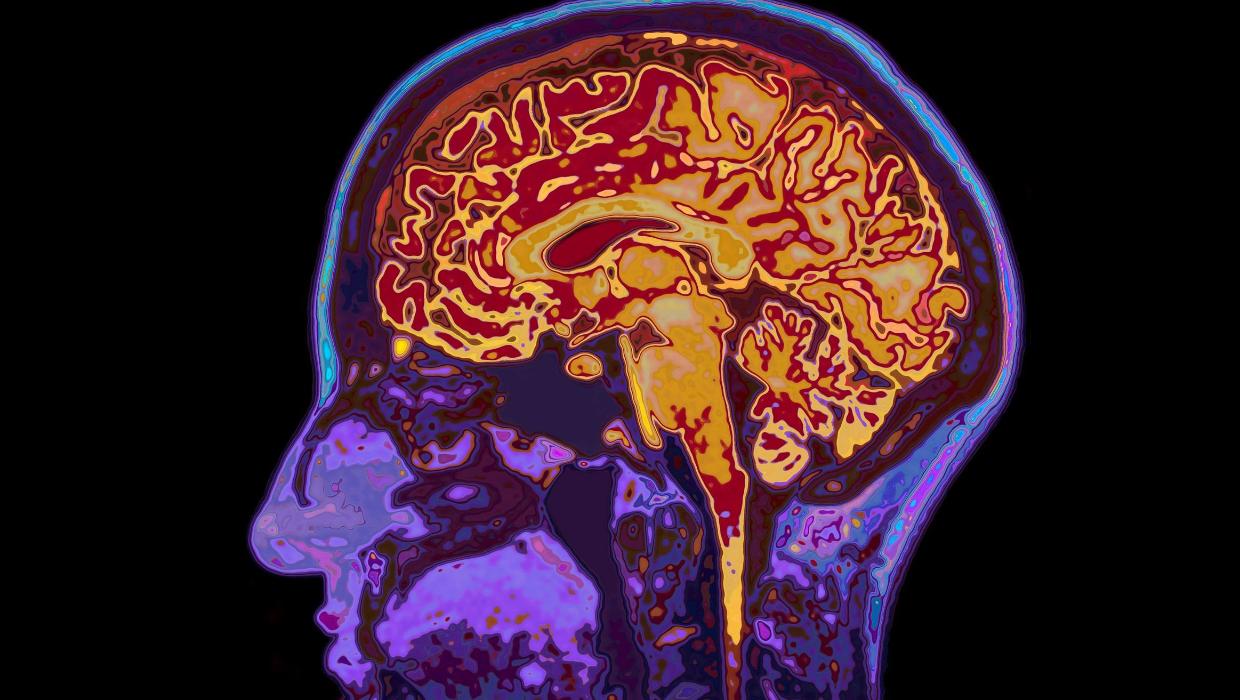
A new study conducted by the University of Cambridge has uncovered that the human brain continues to develop into early adulthood, with full maturation occurring around the age of 32. The research identifies five distinct epochs of brain development, highlighting four significant turning points throughout a person’s life.
The findings suggest that while many consider adolescence to conclude in the late teens, brain development continues to evolve well into the thirties. This challenges the traditional views on cognitive maturity and suggests a longer period of brain plasticity, which refers to the brain’s ability to adapt and change based on experiences and learning.
According to the study, the brain undergoes major transformations at specific ages. The first major shift occurs during early childhood, followed by significant changes in the teenage years. The next critical period is around the age of 26, when substantial reorganization takes place. Finally, the brain enters a decline phase starting at approximately age 66, indicating a marked change in cognitive functions.
Understanding these developmental stages is essential, as they have implications for education, mental health, and societal expectations. The study’s lead researcher emphasized the importance of recognizing that cognitive abilities may still be evolving in individuals in their late twenties to early thirties.
Implications for Education and Mental Health
The findings from this research could have profound implications for educational systems and mental health services. If cognitive development extends into the early thirties, educational policies may need to adapt to support learning and mental well-being during this extended maturation period.
Furthermore, mental health professionals may benefit from recognizing that individuals in their late twenties and early thirties may still be experiencing significant cognitive and emotional growth. This insight could lead to more effective therapeutic strategies tailored to the unique challenges faced by this age group.
The research also raises questions about societal expectations regarding maturity and responsibility. As notions of adulthood continue to evolve, it may be necessary to reconsider the markers that define maturity and independence in young adults.
As the study contributes to a growing body of knowledge surrounding brain development, it highlights the need for continued research into the aging process and cognitive decline. Understanding how these changes manifest can help in developing preventive measures and interventions that support brain health throughout the lifespan.
This significant study was published in October 2023 and is expected to spark further discussions in both academic and public spheres regarding the nature of human development. The findings underscore the complexity of brain maturation and the importance of adapting societal frameworks to align with our evolving understanding of cognitive growth.

Long-Lost Rubens Painting Fetches €2.94 Million at Auction

Investigation Continues into Andrew Coster as Agency Progresses

Legendary Rugby Players to Clash in Anzac Day Classic Match

Get Financially Fit for 2026: Strategies to Tackle Debt

Swiss National Pleads Guilty in Fatal Canterbury Crash

One NZ Fined $1.1 Million for Breaching Emergency Call Standards

Challenge Your Mind: Solve Today’s Hard Word Puzzle in 60 Seconds

Lusail Circuit Engages F1 Leaders to Enhance Motorsport Collaboration

Long-Lost Rubens Painting Fetches €2.94 Million at Auction

Test Your Knowledge: Take the Herald’s Afternoon Quiz Today

PM Faces Backlash from Fans During Netball Trophy Ceremony

Dunedin Designers Win Top Award at Hokonui Fashion Event

Liam Lawson Launches New Era for Racing Bulls with Strong Start

Experience the Excitement of ‘Chief of War’ in Oʻahu

Coalition Forms to Preserve Māori Wards in Hawke’s Bay

Disney Fan Reveals Dress Code Tips for Park Visitors

Walking Faster Offers Major Health Benefits for Older Adults

Scots Rally with Humor and Music to Protest Trump’s Visit
-
 World4 months ago
Test Your Knowledge: Take the Herald’s Afternoon Quiz Today
-
 Sports4 months ago
PM Faces Backlash from Fans During Netball Trophy Ceremony
-
 Lifestyle4 months ago
Dunedin Designers Win Top Award at Hokonui Fashion Event
-
 Sports4 months ago
Liam Lawson Launches New Era for Racing Bulls with Strong Start
-
 Entertainment4 months ago
Experience the Excitement of ‘Chief of War’ in Oʻahu
-
 World4 months ago
Coalition Forms to Preserve Māori Wards in Hawke’s Bay
-
 Lifestyle4 months ago
Disney Fan Reveals Dress Code Tips for Park Visitors
-
 Health4 months ago
Walking Faster Offers Major Health Benefits for Older Adults
-
 Politics4 months ago
Scots Rally with Humor and Music to Protest Trump’s Visit
-

 Top Stories4 months ago
UK and India Finalize Trade Deal to Boost Economic Ties
-

 Health2 months ago
Radio Host Jay-Jay Feeney’s Partner Secures Visa to Stay in NZ
-

 World4 months ago
Huntly Begins Water Pipe Flushing to Resolve Brown Water Issue