
Top Stories
Australian Teens Challenge New Social Media Age Restrictions

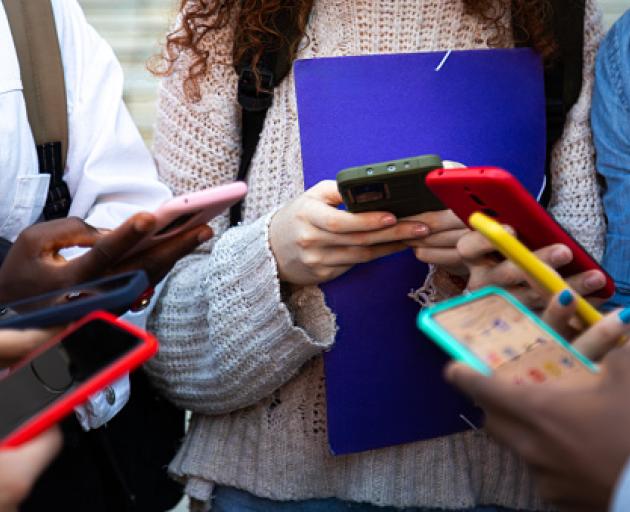
Australia has implemented a groundbreaking law requiring social media platforms to restrict access for users under the age of 16. Following bipartisan support from major political parties and approval from approximately 75% of Australian parents, the law took effect on September 27, 2023. Major platforms like TikTok, Meta’s Instagram, and YouTube now face fines of up to A$49.5 million for non-compliance.
Despite the law’s enforcement, many teenagers took to social media to flaunt their ability to remain on these platforms. Comments flooded in, including one on Prime Minister Anthony Albanese‘s TikTok account stating, “I’m still here, wait until I can vote.” Albanese emphasized that the law is not open to disregard, stating during an appearance on Sky News, “This is the law, this isn’t something that can be flouted.”
As the platforms work to implement the necessary changes, the Australian eSafety Commissioner will request data from all affected platforms regarding the number of under-16 accounts before and after the ban’s enactment. Communications Minister Anika Wells confirmed this process will help gauge the law’s immediate impact.
Internationally, the rollout of Australia’s ban has captured attention. U.S. Republican Senator Josh Hawley expressed support for the initiative, while countries like France, Denmark, and Malaysia are considering similar measures. The United Nations children’s agency UNICEF warned that the ban could inadvertently lead children to less regulated parts of the internet, highlighting that age restrictions alone are insufficient without improved platform design and content moderation.
The legislation has also sparked a debate over its implications. Critics, including representatives from Meta, argue that the law may push teenagers toward more dangerous online environments. A Meta spokesperson stated, “This will result in inconsistent application of the law and ultimately does not make young people safer.” In contrast, Albanese claimed the ban would foster better educational outcomes by reducing screen time and enhancing social interaction among students.
Public interest in virtual private networks (VPNs) surged in Australia following the announcement of the ban. Data from Google indicates searches for VPNs reached their highest level in a decade in the week leading up to the law’s implementation. The free VPN provider Windscribe reported a remarkable 400% increase in installations within 24 hours after the ban went live.
Some platforms not covered by the ban have seen a boost in popularity. The app Lemon8, owned by TikTok’s parent company ByteDance, has introduced an age minimum of 16, while the photo-sharing app Yope claimed rapid growth to about 100,000 Australian users, with nearly half of its user base being over 16.
As Australia navigates this uncharted territory, the global implications of its social media age restrictions are still unfolding. The government’s strategy and ongoing monitoring of the situation will likely influence other countries weighing similar policies.

Graduates Celebrate Milestones in Wellington Parade

Australian Teens Defy New Social Media Age Restrictions

New Zealand’s Mitch Hay Shines as Heir to Wicketkeeping Role

Wellington’s Mayor Andrew Little Revealed as Wealthy Backed Candidate

Australian Teens Challenge New Social Media Age Restrictions

Blue Mountain College Celebrates Academic and Athletic Excellence in 2025

Toxic Tensions Emerge Before MP Mariameno Kapa-Kingi’s Expulsion

New Zealand Dominates West Indies in Second Test at Basin Reserve

Marlborough Pub Assault: Louie Buskin Avoids Jail for Attack

Test Your Knowledge: Take the Herald’s Afternoon Quiz Today

PM Faces Backlash from Fans During Netball Trophy Ceremony

Dunedin Designers Win Top Award at Hokonui Fashion Event

Experience the Excitement of ‘Chief of War’ in Oʻahu

Liam Lawson Launches New Era for Racing Bulls with Strong Start

Tongan Star Eli Katoa Shares Recovery Update After Surgery

Coalition Forms to Preserve Māori Wards in Hawke’s Bay

Disney Fan Reveals Dress Code Tips for Park Visitors

Walking Faster Offers Major Health Benefits for Older Adults
-
 World4 months ago
Test Your Knowledge: Take the Herald’s Afternoon Quiz Today
-
 Sports5 months ago
PM Faces Backlash from Fans During Netball Trophy Ceremony
-
 Lifestyle5 months ago
Dunedin Designers Win Top Award at Hokonui Fashion Event
-
 Entertainment5 months ago
Experience the Excitement of ‘Chief of War’ in Oʻahu
-
 Sports5 months ago
Liam Lawson Launches New Era for Racing Bulls with Strong Start
-
 Top Stories2 weeks ago
Tongan Star Eli Katoa Shares Recovery Update After Surgery
-
 World5 months ago
Coalition Forms to Preserve Māori Wards in Hawke’s Bay
-
 Lifestyle5 months ago
Disney Fan Reveals Dress Code Tips for Park Visitors
-
 Health5 months ago
Walking Faster Offers Major Health Benefits for Older Adults
-

 Politics5 months ago
Scots Rally with Humor and Music to Protest Trump’s Visit
-

 Top Stories5 months ago
UK and India Finalize Trade Deal to Boost Economic Ties
-

 Health3 months ago
Radio Host Jay-Jay Feeney’s Partner Secures Visa to Stay in NZ