
Top Stories
Government Sets Council Rates Caps to Control Unnecessary Costs

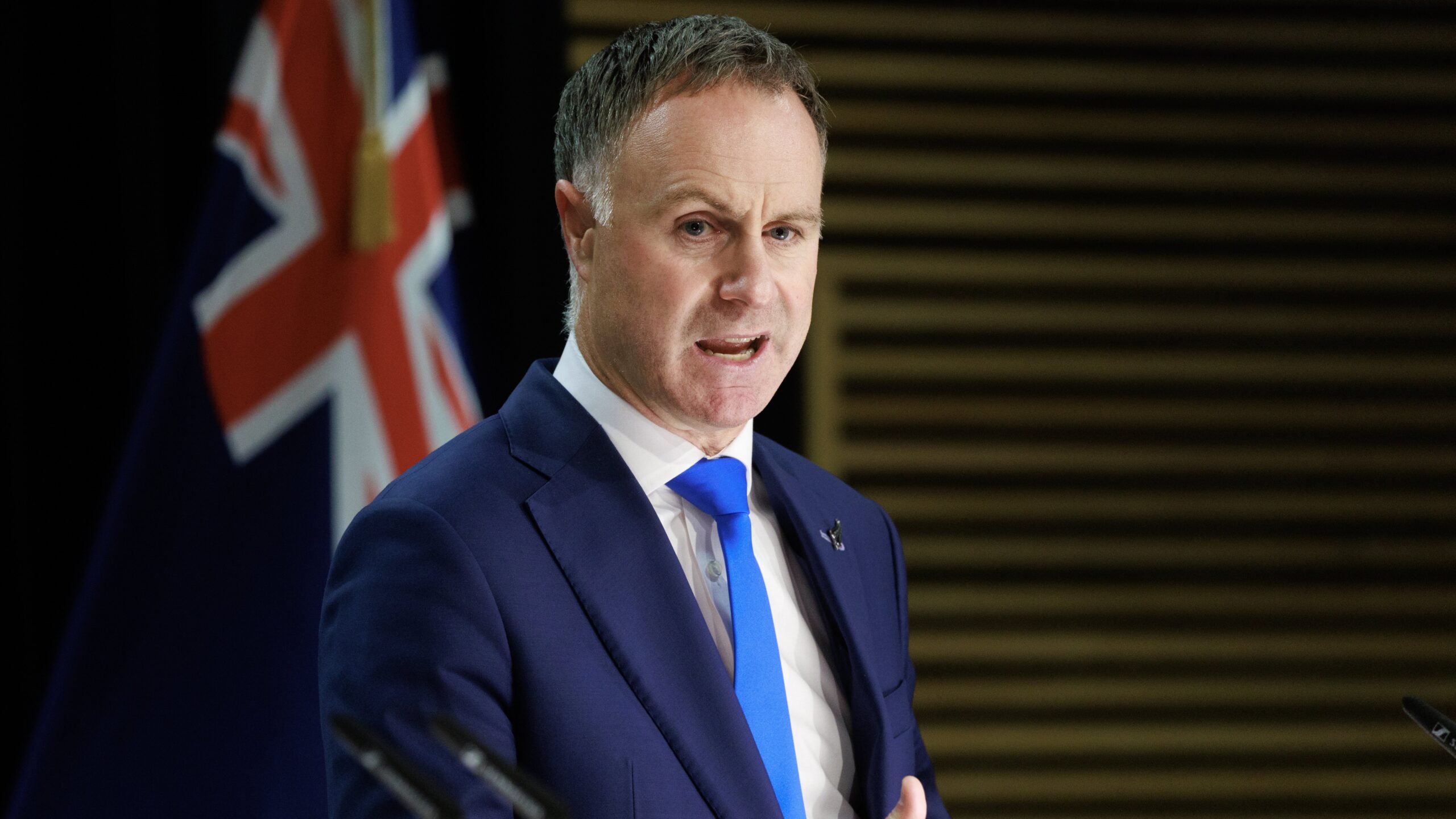
The government has announced new measures aimed at controlling council rate increases, ensuring that any hikes beyond 4% will require approval from a government-appointed regulator. This decision is part of a broader initiative to eliminate unnecessary costs within local councils, while safeguarding essential community services and infrastructure.
In a recent interview, Simon Watts, the Local Government Minister, emphasized that the cap on council rates is designed specifically to target wasteful spending. “There is a lot of fat in the system,” he stated, highlighting the need for councils to prioritize their financial resources toward critical areas that benefit the community. The new regulations will come into effect by 2029.
Watts conveyed that while the caps are intended to streamline costs, water rates will remain excluded from this limitation. This decision aims to ensure that councils can still manage their essential services effectively without compromising on quality.
Educating Councils on Financial Responsibility
Watts also indicated that the implementation of these caps will involve an educational process for councils. He underscored the importance of collaboration, stating, “I will work with the industry, not against them.” This approach is intended to foster a constructive dialogue between the government and local councils, enabling them to understand the necessity of financial discipline.
The Local Government Minister’s comments come at a time when many councils are facing increasing pressure to manage their budgets effectively. The introduction of these caps is expected to encourage councils to focus their spending on projects and services that directly benefit residents rather than on unnecessary administrative costs.
As local governments prepare for these changes, Watts reassured that the intention is not to stifle growth or essential services but to create a more efficient system that ultimately serves the public interest better. The government aims to strike a balance between fiscal responsibility and community needs, ensuring that ratepayers can trust that their contributions are being utilized wisely.
Overall, the new measures reflect a significant shift in how local councils can approach financial management, with an emphasis on accountability and transparency. By targeting unnecessary expenditures, the government hopes to support local communities while maintaining essential infrastructure and services.

Reti Skin Launches Gift Set for Healthier, Glowing Skin

Parents Outraged as Students Served Mouldy Meals at Christchurch School

Alicia Hoskin Aims to Transform Sports Integrity for LA 2028

New Survey Reveals Home Ownership Aspirations in New Zealand

Government Sets Council Rates Caps to Control Unnecessary Costs

Alliance Group Finalizes $270 Million Merger with Dawn Meats

Rising Star Winnie Conlan Celebrates Debut Single Success

New Zealand Urges Covid Booster Before Holiday Gatherings

New Zealand Teen Winnie Conlan Celebrates Debut Single Success

Test Your Knowledge: Take the Herald’s Afternoon Quiz Today

PM Faces Backlash from Fans During Netball Trophy Ceremony

Dunedin Designers Win Top Award at Hokonui Fashion Event

Liam Lawson Launches New Era for Racing Bulls with Strong Start

Experience the Excitement of ‘Chief of War’ in Oʻahu

Coalition Forms to Preserve Māori Wards in Hawke’s Bay

Disney Fan Reveals Dress Code Tips for Park Visitors

Walking Faster Offers Major Health Benefits for Older Adults

Scots Rally with Humor and Music to Protest Trump’s Visit
-
 World4 months ago
Test Your Knowledge: Take the Herald’s Afternoon Quiz Today
-
 Sports4 months ago
PM Faces Backlash from Fans During Netball Trophy Ceremony
-
 Lifestyle4 months ago
Dunedin Designers Win Top Award at Hokonui Fashion Event
-
 Sports4 months ago
Liam Lawson Launches New Era for Racing Bulls with Strong Start
-
 Entertainment4 months ago
Experience the Excitement of ‘Chief of War’ in Oʻahu
-
 World4 months ago
Coalition Forms to Preserve Māori Wards in Hawke’s Bay
-
 Lifestyle4 months ago
Disney Fan Reveals Dress Code Tips for Park Visitors
-
 Health4 months ago
Walking Faster Offers Major Health Benefits for Older Adults
-
 Politics4 months ago
Scots Rally with Humor and Music to Protest Trump’s Visit
-

 Top Stories4 months ago
UK and India Finalize Trade Deal to Boost Economic Ties
-

 Health2 months ago
Radio Host Jay-Jay Feeney’s Partner Secures Visa to Stay in NZ
-

 World4 months ago
Huntly Begins Water Pipe Flushing to Resolve Brown Water Issue