
Top Stories
New Parking Fees Introduced at New Zealand’s Top Attractions

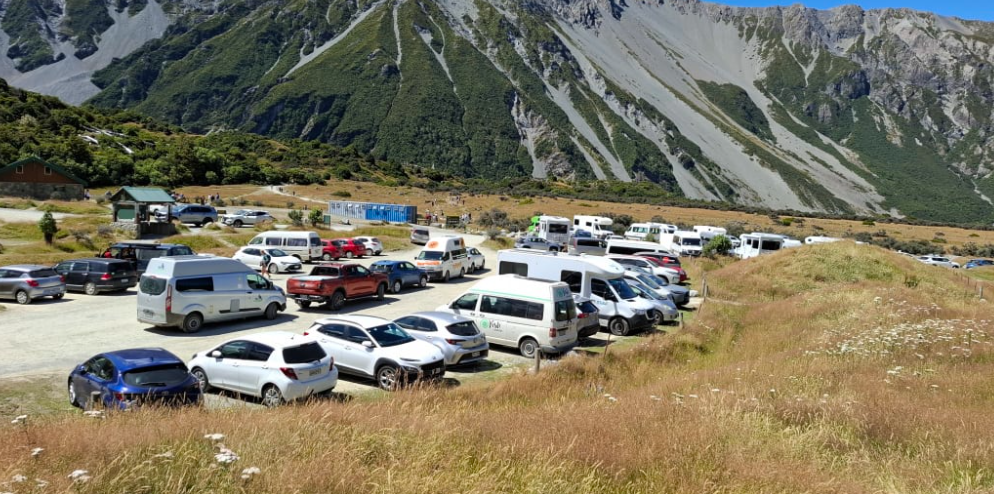
Visitors to some of New Zealand’s most popular tourist attractions will face new parking fees starting in December 2023. The Department of Conservation (DOC) has announced a pilot program that will introduce fees at three key sites, potentially expanding to other locations if successful. The initiative aims to enhance the sustainability of these areas while generating revenue for conservation efforts.
Details of the Parking Fees
The pilot program is set to run until June 2026. According to DOC’s Director of Heritage and Visitors, Catherine Wilson, a final date for the program’s implementation will be confirmed by the end of November 2023, following the installation and testing of paid parking equipment.
Parking will be charged at a rate of $5 per hour, with the first 20 minutes free for quick drop-offs or brief visits. For those staying longer, specific daily rates apply: $25 for Aoraki Mt Cook and $20 for both Franz Josef and Punakaiki. Commercial tourism operators with valid concessions will be exempt from these fees during the trial period.
Local residents will also have to pay for parking but can obtain a reduced annual pass priced at $10 per vehicle, allowing for unlimited access. This offer is available to residents of the Buller, Grey, and Westland districts for Franz Josef and Punakaiki, while those living within the Mackenzie District can access it for Aoraki Mt Cook. Regular visitors from outside these districts can purchase an annual pass for $60.
Rationale Behind the New Fees
The decision to implement parking fees follows extensive consultation, including input from stakeholders and public submissions. DOC evaluated over 40 car parks, both domestically and internationally, to develop its pricing strategy. The findings indicated that the average hourly charge for parking globally is approximately $6.40.
The Tourism Industry Aotearoa (TIA) has expressed support for user charges that contribute directly to maintaining and improving infrastructure. TIA Chief Executive Rebecca Ingram highlighted the introduction of affordable annual passes for New Zealand residents, emphasizing that they ensure locals can continue accessing public conservation spaces without significant costs.
The pilot program is projected to cost around $3.8 million, funded by the International Tourism Levy. DOC anticipates generating approximately $1.5 million in revenue over the pilot period.
If the trial proves successful, DOC expects to recover the initial investment within a year of continued implementation. The funds raised will support various biodiversity and visitor network projects across the country, rather than being confined to the areas generating the parking fees.
Public Reactions and Future Plans
Public feedback has been mixed, with more than 150 submissions received during the consultation process. Concerns primarily revolved around the potential burden on locals, volunteers, and school groups. Some, like café owner Grant Parrett near Punakaiki’s Pancake Rocks, argue that any parking charge could deter casual visitors and harm local businesses.
Despite these concerns, DOC remains committed to making parking payment processes straightforward. Measures include offering multiple payment options, clear signage, and universal messaging on parking machines. Enforcement will be handled by an external company, Stellar Projects, which will use cameras to monitor vehicle entries and exits.
Future plans for parking fees may extend to foreign visitors as well, with the government proposing additional charges at popular sites like Milford Sound and Tongariro Alpine Crossing. Tama Potaka, the Conservation Minister, noted that it’s “only fair” for international tourists to contribute to the maintenance of these natural wonders.
As the trial period unfolds, DOC will assess the effectiveness of the new fees and consider potential expansions to other sites. Wilson remarked that implementing parking fees is standard practice in many national parks worldwide, and most international visitors accept this as a necessary contribution to preserving New Zealand’s natural beauty.

Discover Unique Christmas Gift Ideas at Willow and Silk Interiors

Legal Battle Continues Over Media Restrictions in Tom Phillips Case

Liam Lawson Awaits Formula One Decision After Impressive Performance

Auckland Beaches Face Sewage Overflow Warning as Summer Begins

Thunderstorms and Heavy Rain Forecast for Auckland Tonight

Explore Unique Christmas Gift Ideas at Willow and Silk Interiors

Australia Tracks Chinese Naval Flotilla Near Philippines

Netball New Zealand Faces Revolt as Zones Demand Leadership Change

Cyclist Injured During Taupō Enduro After Collision with Ute

Test Your Knowledge: Take the Herald’s Afternoon Quiz Today

PM Faces Backlash from Fans During Netball Trophy Ceremony

Dunedin Designers Win Top Award at Hokonui Fashion Event

Liam Lawson Launches New Era for Racing Bulls with Strong Start

Experience the Excitement of ‘Chief of War’ in Oʻahu

Coalition Forms to Preserve Māori Wards in Hawke’s Bay

Disney Fan Reveals Dress Code Tips for Park Visitors

Walking Faster Offers Major Health Benefits for Older Adults

Scots Rally with Humor and Music to Protest Trump’s Visit
-
 World4 months ago
Test Your Knowledge: Take the Herald’s Afternoon Quiz Today
-
 Sports4 months ago
PM Faces Backlash from Fans During Netball Trophy Ceremony
-
 Lifestyle4 months ago
Dunedin Designers Win Top Award at Hokonui Fashion Event
-
 Sports4 months ago
Liam Lawson Launches New Era for Racing Bulls with Strong Start
-
 Entertainment4 months ago
Experience the Excitement of ‘Chief of War’ in Oʻahu
-
 World4 months ago
Coalition Forms to Preserve Māori Wards in Hawke’s Bay
-
 Lifestyle4 months ago
Disney Fan Reveals Dress Code Tips for Park Visitors
-
 Health4 months ago
Walking Faster Offers Major Health Benefits for Older Adults
-
 Politics4 months ago
Scots Rally with Humor and Music to Protest Trump’s Visit
-

 Top Stories4 months ago
UK and India Finalize Trade Deal to Boost Economic Ties
-

 Health2 months ago
Radio Host Jay-Jay Feeney’s Partner Secures Visa to Stay in NZ
-

 World4 months ago
Huntly Begins Water Pipe Flushing to Resolve Brown Water Issue