
Top Stories
New Zealand Leads in Food Waste Reduction with New Report Findings

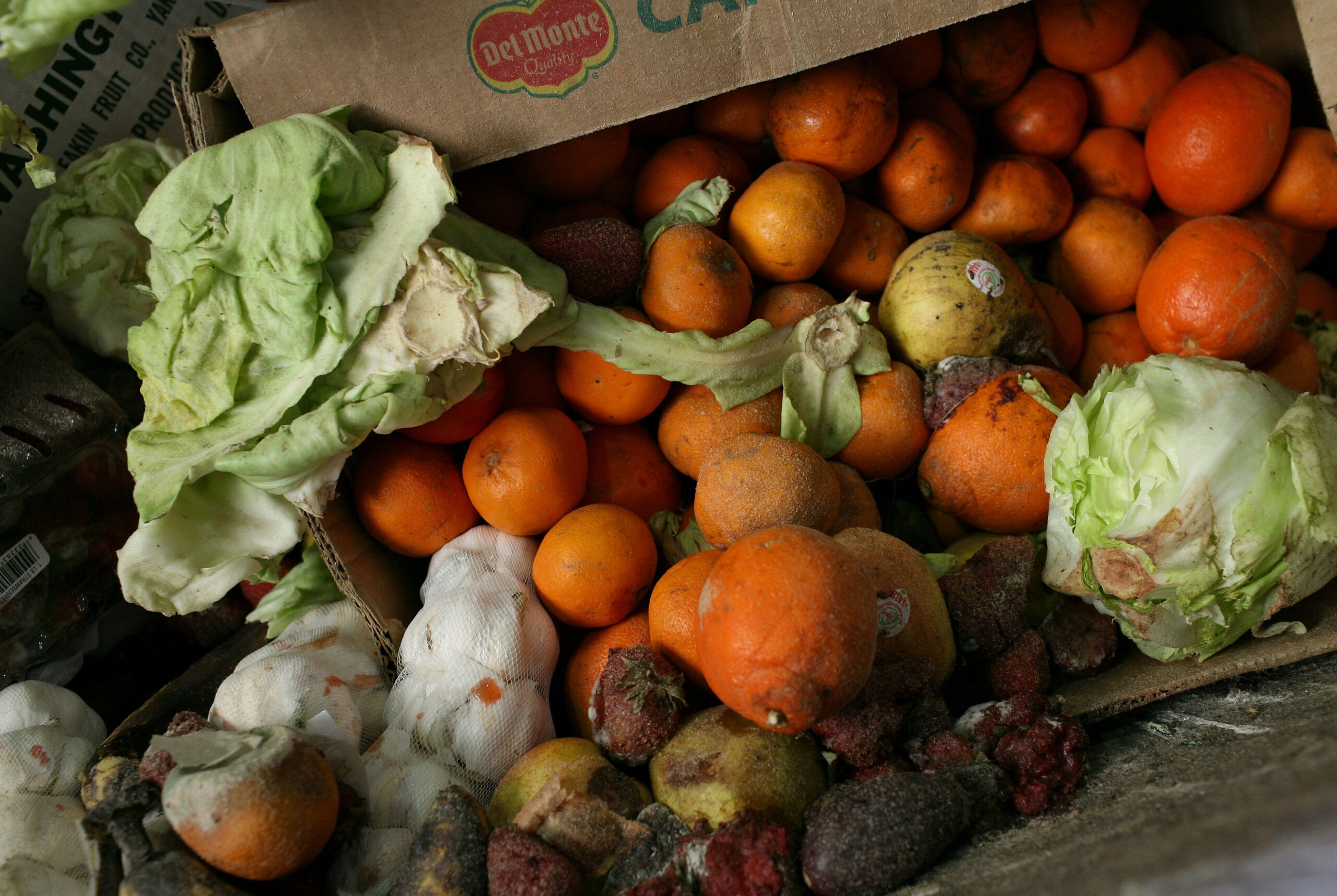
New Zealand is emerging as a leader in food waste reduction, according to a recent report commissioned by the Ministry of Environment. The study reveals that more than 1.2 million tonnes of food is wasted or discarded in the country each year. This figure represents a total food waste proportion of between 5 and 10 percent, significantly lower than the global estimate of 30 to 40 percent.
Sheila Skeaff, a nutrition professor at the University of Otago and one of the report’s authors, highlighted that while household food waste levels in New Zealand remain comparable to those in many other countries, the agricultural sector is making notable strides. Skeaff stated, “We produce a lot of food and we’re pretty good at making sure that we make the best use of that, particularly on farms and in processing.”
Examining the Statistics
The report underscores the achievements of New Zealand’s food producers, who have implemented effective strategies to minimize waste. These efforts stand in stark contrast to the global situation, where food waste remains a pressing issue. The findings suggest that New Zealand’s agricultural practices, coupled with a strong focus on sustainability, have positioned the country ahead of many others in this critical area.
Despite the positive trends among producers, Skeaff emphasized the need for households to improve their food waste management. “Household food waste is still a significant challenge,” she noted, indicating that more public awareness and education could help bridge the gap between producers and consumers.
Implications for the Future
The implications of these findings are significant, particularly in the context of global food security and environmental sustainability. Reducing food waste not only conserves resources but also mitigates greenhouse gas emissions associated with decomposing food. As countries around the world grapple with their food waste challenges, New Zealand’s approach may serve as a valuable model.
The Ministry of Environment’s report is part of a broader initiative to address food waste and promote sustainable practices across the nation. As New Zealand continues to lead in this domain, the focus will likely shift towards encouraging households to adopt similar practices to further reduce waste.
In conclusion, New Zealand’s progress in food waste reduction highlights the importance of both industry innovation and consumer responsibility. With continued efforts from all sectors, the nation may further solidify its position as a leader in sustainable food production and waste management.

Alliance Group Finalizes $270 Million Merger with Dawn Meats

Rising Star Winnie Conlan Celebrates Debut Single Success

New Zealand Urges Covid Booster Before Holiday Gatherings

New Zealand Teen Winnie Conlan Celebrates Debut Single Success

Labour Gains Momentum Ahead of 2026 Election with New Policies

Discover Unique Wildlife on Adelaide’s Riverside and Eyre Peninsula

Calls Grow for Gender Equality in Japanese Succession Law

Tunisia and Syria Clash in FIFA Arab Cup Qatar 2025

Discover Unique Christmas Gifts at Willow and Silk Interiors

Test Your Knowledge: Take the Herald’s Afternoon Quiz Today

PM Faces Backlash from Fans During Netball Trophy Ceremony

Dunedin Designers Win Top Award at Hokonui Fashion Event

Liam Lawson Launches New Era for Racing Bulls with Strong Start

Experience the Excitement of ‘Chief of War’ in Oʻahu

Coalition Forms to Preserve Māori Wards in Hawke’s Bay

Disney Fan Reveals Dress Code Tips for Park Visitors

Walking Faster Offers Major Health Benefits for Older Adults

Scots Rally with Humor and Music to Protest Trump’s Visit
-
 World4 months ago
Test Your Knowledge: Take the Herald’s Afternoon Quiz Today
-
 Sports4 months ago
PM Faces Backlash from Fans During Netball Trophy Ceremony
-
 Lifestyle4 months ago
Dunedin Designers Win Top Award at Hokonui Fashion Event
-
 Sports4 months ago
Liam Lawson Launches New Era for Racing Bulls with Strong Start
-
 Entertainment4 months ago
Experience the Excitement of ‘Chief of War’ in Oʻahu
-
 World4 months ago
Coalition Forms to Preserve Māori Wards in Hawke’s Bay
-
 Lifestyle4 months ago
Disney Fan Reveals Dress Code Tips for Park Visitors
-
 Health4 months ago
Walking Faster Offers Major Health Benefits for Older Adults
-
 Politics4 months ago
Scots Rally with Humor and Music to Protest Trump’s Visit
-

 Top Stories4 months ago
UK and India Finalize Trade Deal to Boost Economic Ties
-

 Health2 months ago
Radio Host Jay-Jay Feeney’s Partner Secures Visa to Stay in NZ
-

 World4 months ago
Huntly Begins Water Pipe Flushing to Resolve Brown Water Issue