
Top Stories
Traffic Chaos Delays Starts for Record-Breaking Queenstown Marathon

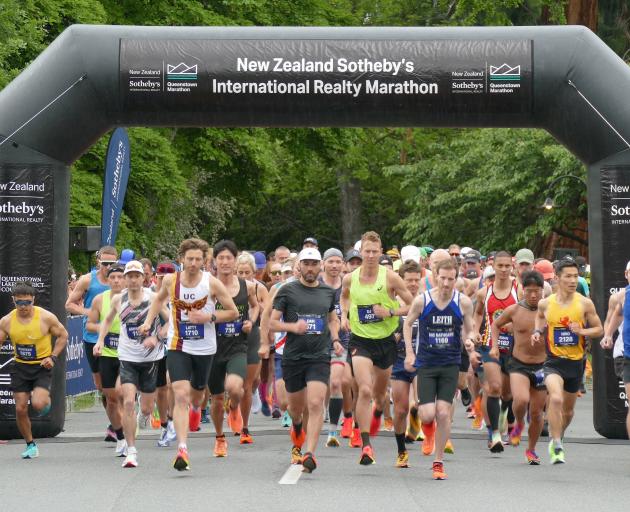
The Queenstown Marathon experienced significant traffic disruptions on race day, leading to delayed starts for both the half and full marathons. Organised by the Ironman Oceania Group, the event attracted over 13,000 athletes participating across four distances, including the children’s run. The full marathon alone saw nearly 4,000 runners, marking the highest turnout in the event’s eleven-year history.
Despite this impressive participation, a spokesperson for the Queenstown Marathon noted that the full marathon course did not reach its capacity. Similarly, other race distances also fell short of their limits, which had been met in previous years. The disruptions primarily stemmed from traffic congestion throughout the Wakatipu region, prompting organisers to push back the start times by ten minutes.
Local participants faced particularly challenging conditions. One athlete described the traffic to reach the new start location for the half marathon on Hunter Road as “unbelievable.” A journey that typically takes about ten minutes extended to almost ninety minutes. This athlete only crossed the start line at 8:40 am, thirty minutes after the revised start time, with “hundreds of cars” still waiting behind them.
The issues extended to the marathon’s shuttle buses, which also became stuck in the congestion. One athlete recounted on social media that they entered the queue for the marathon shuttle at 6:40 am but did not arrive at Millbrook until 8:10 am. Another long-time participant noted that this year’s traffic problems were the worst he had experienced in a decade of attending the event. Many participants attributed the delays to the new start location for the half marathon.
In response to the situation, the spokesperson stated that the start lines for both the half and full marathons remained open until the last buses arrived, ensuring every athlete had the opportunity to begin their race. Unfortunately, some participants opted to join the course at different points, resulting in them being marked as “DNS,” or did not start, despite completing the race.
Recognising the stress caused by the traffic delays, the spokesperson affirmed the event’s commitment to addressing these challenges for future races. They acknowledged that this year’s changes, including the new half-marathon start line, contributed to the traffic issues. A thorough review of these factors will take place in the coming weeks, with an eye on improvements for the 2026 event.
To mitigate congestion, organisers introduced local registration and implemented a free shuttle service between Queenstown and the Events Centre, with multiple stops. Despite these efforts, they admitted that traffic remained a significant concern.
Regarding the capacity limits for each distance, the spokesperson explained that these were set in collaboration with event stakeholders and considered various factors. This aspect, too, will be reviewed to assess what worked effectively and what could be enhanced for future races, including potential adjustments to participant capacities.
The Queenstown Marathon remains a cherished event for local and visiting runners alike, but this year’s challenges have highlighted the need for improved logistics to ensure a smooth experience for all involved.

Alliance Group Finalizes $270 Million Merger with Dawn Meats

Rising Star Winnie Conlan Celebrates Debut Single Success

New Zealand Urges Covid Booster Before Holiday Gatherings

New Zealand Teen Winnie Conlan Celebrates Debut Single Success

Labour Gains Momentum Ahead of 2026 Election with New Policies

Discover Unique Wildlife on Adelaide’s Riverside and Eyre Peninsula

Calls Grow for Gender Equality in Japanese Succession Law

Tunisia and Syria Clash in FIFA Arab Cup Qatar 2025

Discover Unique Christmas Gifts at Willow and Silk Interiors

Test Your Knowledge: Take the Herald’s Afternoon Quiz Today

PM Faces Backlash from Fans During Netball Trophy Ceremony

Dunedin Designers Win Top Award at Hokonui Fashion Event

Liam Lawson Launches New Era for Racing Bulls with Strong Start

Experience the Excitement of ‘Chief of War’ in Oʻahu

Coalition Forms to Preserve Māori Wards in Hawke’s Bay

Disney Fan Reveals Dress Code Tips for Park Visitors

Walking Faster Offers Major Health Benefits for Older Adults

Scots Rally with Humor and Music to Protest Trump’s Visit
-
 World4 months ago
Test Your Knowledge: Take the Herald’s Afternoon Quiz Today
-
 Sports4 months ago
PM Faces Backlash from Fans During Netball Trophy Ceremony
-
 Lifestyle4 months ago
Dunedin Designers Win Top Award at Hokonui Fashion Event
-
 Sports4 months ago
Liam Lawson Launches New Era for Racing Bulls with Strong Start
-
 Entertainment4 months ago
Experience the Excitement of ‘Chief of War’ in Oʻahu
-
 World4 months ago
Coalition Forms to Preserve Māori Wards in Hawke’s Bay
-
 Lifestyle4 months ago
Disney Fan Reveals Dress Code Tips for Park Visitors
-
 Health4 months ago
Walking Faster Offers Major Health Benefits for Older Adults
-
 Politics4 months ago
Scots Rally with Humor and Music to Protest Trump’s Visit
-

 Top Stories4 months ago
UK and India Finalize Trade Deal to Boost Economic Ties
-

 Health2 months ago
Radio Host Jay-Jay Feeney’s Partner Secures Visa to Stay in NZ
-

 World4 months ago
Huntly Begins Water Pipe Flushing to Resolve Brown Water Issue