
World
Foreign Takeovers Threaten New Zealand’s Food Security

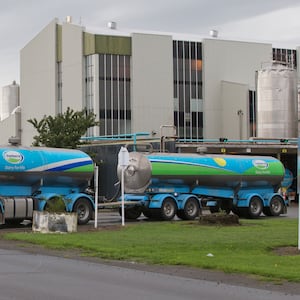
The increasing number of foreign takeovers in New Zealand’s agricultural sector poses a significant risk to the country’s food security, according to a recent analysis by agricultural economist Alex Worker. The trend, marked by a surge in acquisitions by international firms, raises concerns that New Zealand may become a price-taker in its own resource-rich land.
In recent years, New Zealand’s Ministry for Primary Industries has reported a growing influx of foreign investment in agriculture. This phenomenon is reshaping the landscape of local food production, potentially compromising the nation’s ability to set its own prices and control supply chains. As a result, local farmers and consumers could face increased costs and diminished access to essential food products.
Impact on Local Farmers
Local farmers are expressing alarm over the implications of foreign ownership. Many believe that as these entities prioritize profit, they may overlook the sustainability and welfare of the agricultural sector. Worker emphasizes that foreign ownership could lead to a scenario where local farmers are forced to compete against international pricing mechanisms, ultimately impacting their livelihoods.
The Food and Agriculture Organization (FAO) has noted that countries with high levels of foreign ownership in agriculture often experience volatility in food prices, which can lead to food insecurity for local populations. In New Zealand, where agriculture is a cornerstone of the economy, this shift could have far-reaching consequences for the industry and consumers alike.
Calls for Regulatory Action
In light of these developments, there are increasing calls for the New Zealand government to implement stricter regulations on foreign investments in the agricultural sector. Advocates argue that protecting local food production is essential for maintaining national food security and ensuring that New Zealand remains competitive in the global market.
The current regulatory framework allows for substantial foreign ownership without sufficient oversight, raising concerns among industry stakeholders. Worker asserts that a balanced approach is necessary, one that encourages investment while safeguarding the interests of local farmers and consumers.
The situation is critical, and action is needed to address the potential risks associated with foreign takeovers in New Zealand’s agriculture. As discussions continue, the government faces pressure to act decisively to protect the future of food production in the country.
With agriculture contributing significantly to New Zealand’s GDP, ensuring its sustainability is not merely an economic concern but a vital issue for national security. As New Zealand navigates this complex landscape, the focus must remain on creating a resilient agricultural sector that serves both local and global needs.

Long-Lost Rubens Painting Fetches €2.94 Million at Auction

Investigation Continues into Andrew Coster as Agency Progresses

Legendary Rugby Players to Clash in Anzac Day Classic Match

Get Financially Fit for 2026: Strategies to Tackle Debt

Swiss National Pleads Guilty in Fatal Canterbury Crash

One NZ Fined $1.1 Million for Breaching Emergency Call Standards

Challenge Your Mind: Solve Today’s Hard Word Puzzle in 60 Seconds

Lusail Circuit Engages F1 Leaders to Enhance Motorsport Collaboration

Long-Lost Rubens Painting Fetches €2.94 Million at Auction

Test Your Knowledge: Take the Herald’s Afternoon Quiz Today

PM Faces Backlash from Fans During Netball Trophy Ceremony

Dunedin Designers Win Top Award at Hokonui Fashion Event

Liam Lawson Launches New Era for Racing Bulls with Strong Start

Experience the Excitement of ‘Chief of War’ in Oʻahu

Coalition Forms to Preserve Māori Wards in Hawke’s Bay

Disney Fan Reveals Dress Code Tips for Park Visitors

Walking Faster Offers Major Health Benefits for Older Adults

Scots Rally with Humor and Music to Protest Trump’s Visit
-
 World4 months ago
Test Your Knowledge: Take the Herald’s Afternoon Quiz Today
-
 Sports4 months ago
PM Faces Backlash from Fans During Netball Trophy Ceremony
-
 Lifestyle4 months ago
Dunedin Designers Win Top Award at Hokonui Fashion Event
-
 Sports4 months ago
Liam Lawson Launches New Era for Racing Bulls with Strong Start
-
 Entertainment4 months ago
Experience the Excitement of ‘Chief of War’ in Oʻahu
-
 World4 months ago
Coalition Forms to Preserve Māori Wards in Hawke’s Bay
-
 Lifestyle4 months ago
Disney Fan Reveals Dress Code Tips for Park Visitors
-
 Health4 months ago
Walking Faster Offers Major Health Benefits for Older Adults
-
 Politics4 months ago
Scots Rally with Humor and Music to Protest Trump’s Visit
-

 Top Stories4 months ago
UK and India Finalize Trade Deal to Boost Economic Ties
-

 Health2 months ago
Radio Host Jay-Jay Feeney’s Partner Secures Visa to Stay in NZ
-
 World4 months ago
Huntly Begins Water Pipe Flushing to Resolve Brown Water Issue